
Category: Group
-
FCC
FCC
-
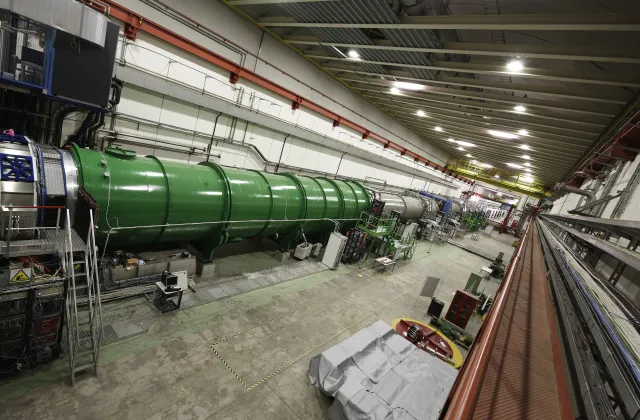
SME
SME The SME (small and medium-sized experiments) group in the EP department regroups all physics experiments using AD, ISOLDE, PS and SPS beams, as well as experiments not requiring beam. A wide range of physics topics is covered by the experimental efforts inside the SME group: from measurements of ultra-rare kaon decays (NA62) to probing
-
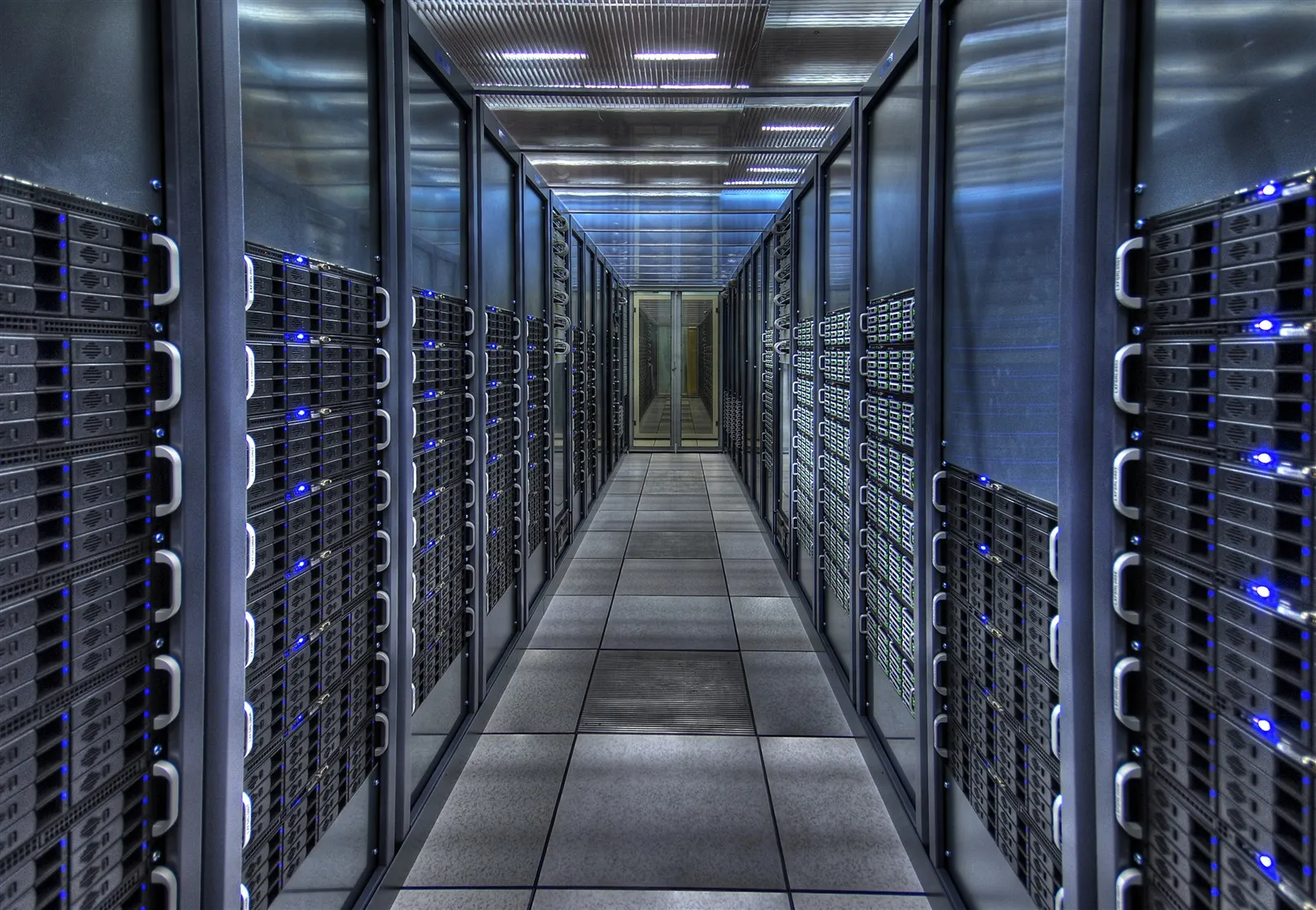
SFT
SFT The SFT group in the EP department develops and maintains common scientific software for the physics experiments. In close collaboration with the EP experimental groups, the IT department and external HEP institutes, the majority of the group is involved in projects organised as part of the Applications Area of the LHC Computing Grid (LCG)
-
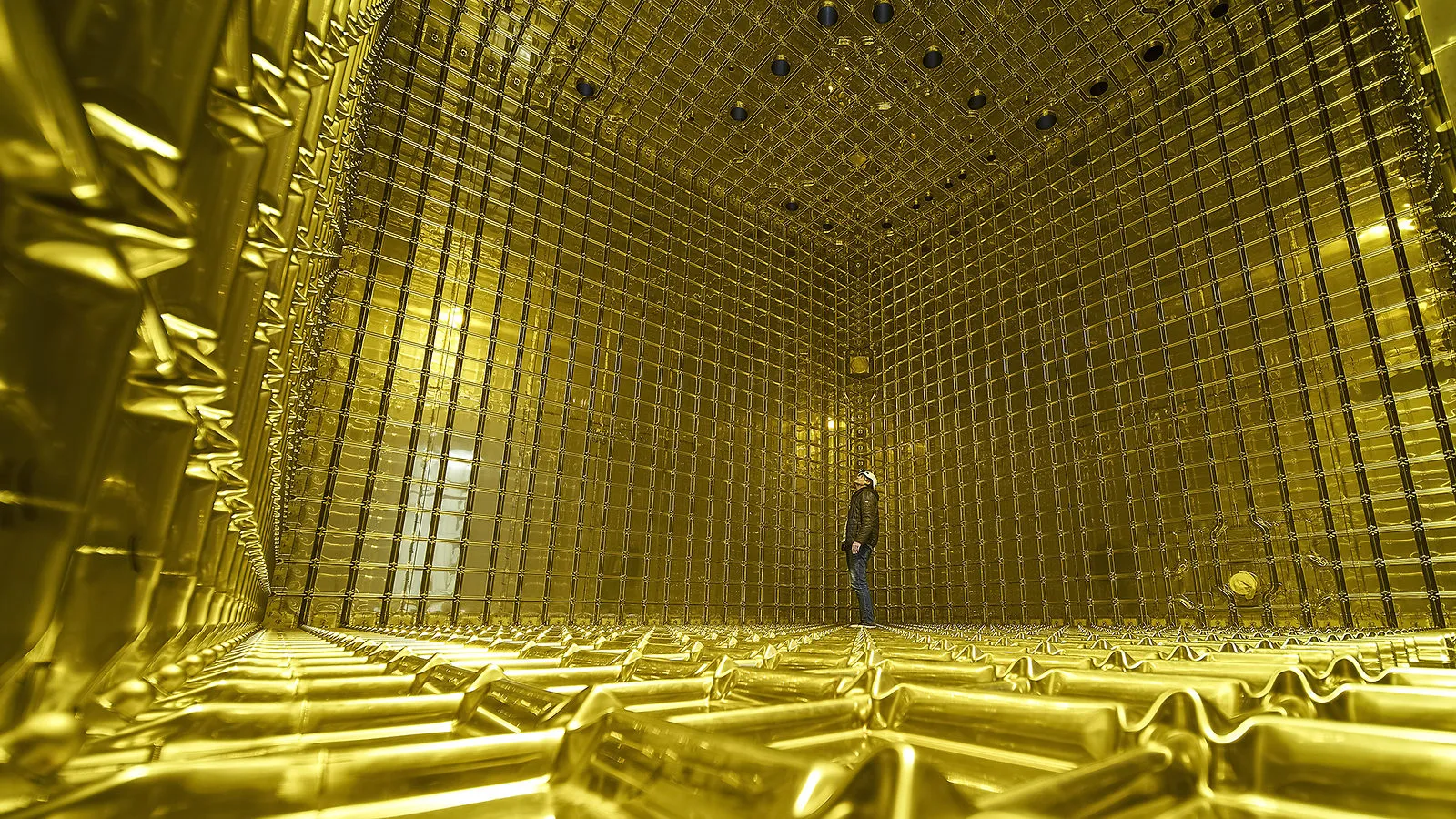
NU
NU The EP Neutrino group works in close collaboration with the Project Leader of the Neutrino Platform. Its main tasks are:
-
LHCb
LHCb LHCb, the Large Hadron Collider beauty experiment, searches for new forces and particles by measuring with unprecedented precision the decays of particles containing beauty quarks, charm quarks and their antimatter equivalents. Designed for precision measurements of CP violation and rare decays in the heavy flavour sector, LHCb is contributing to the understanding on why
-
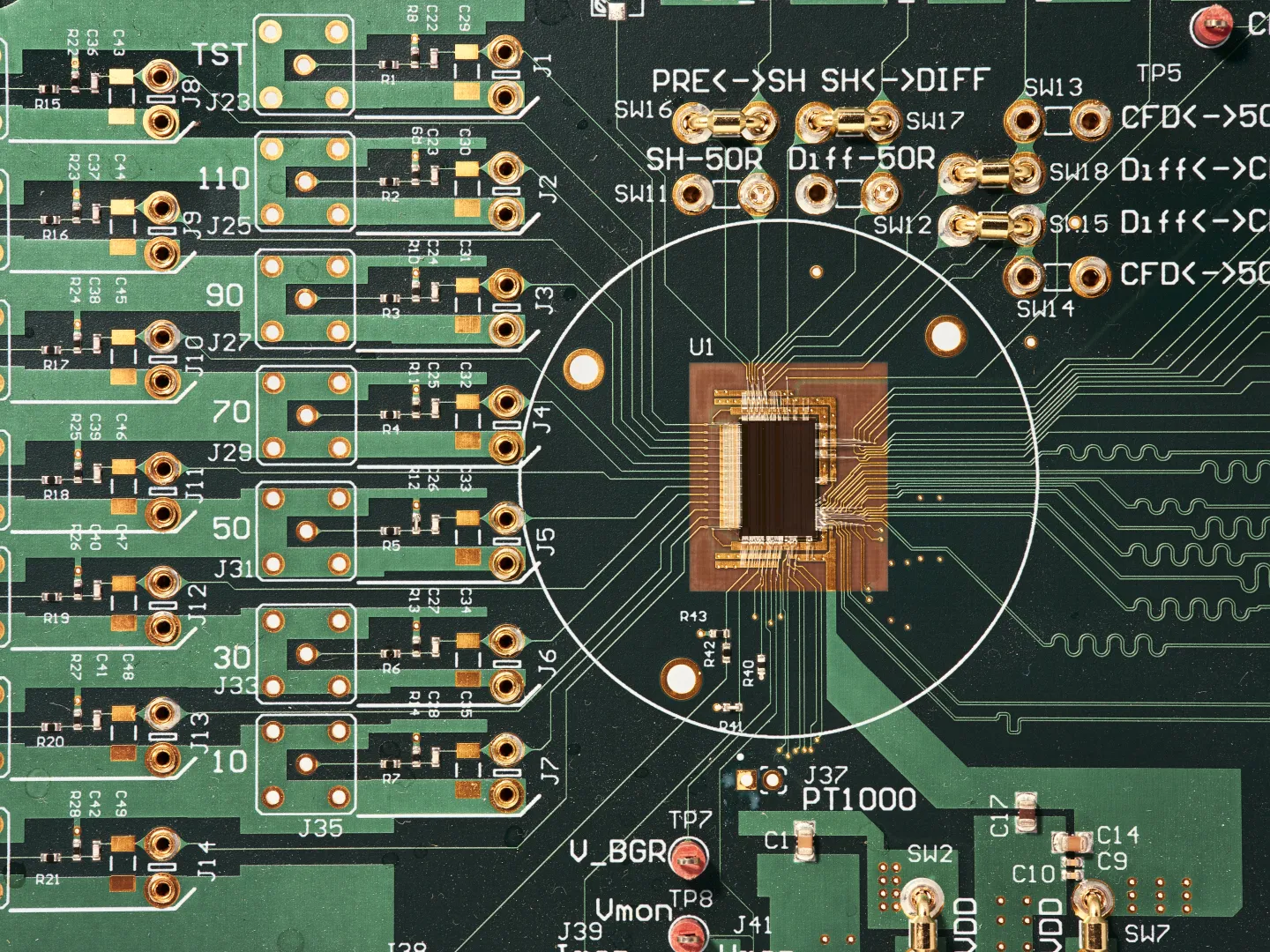
ESE
ESE The Electronic Systems for Experiments group (ESE) designs and maintains electronic systems for the experiments at CERN and supplies a series of electronics related services. Its expertises cover all the experiments needs, from (radiation-hard) ASIC design to front-end and back-end systems, optical links and power supplies. It provides services such as the electronics pool,
-

DT
DT The Detector Technologies (DT) group in the Experimental Physics department participates in the development, construction and operation of particle detectors for experiments at CERN. This comprises detector consolidation and upgrade projects as well as infrastructure for experiments. A key asset of DT is the vast range of expertise and facilities in many different domains
-

DI
DI The Department Head Office deal with matters related to the management of the Department as well as various activities linked directly to the Department Head. EP-DI-SO supports to the Department Head to fulfill his obligations in matters of safety.
-
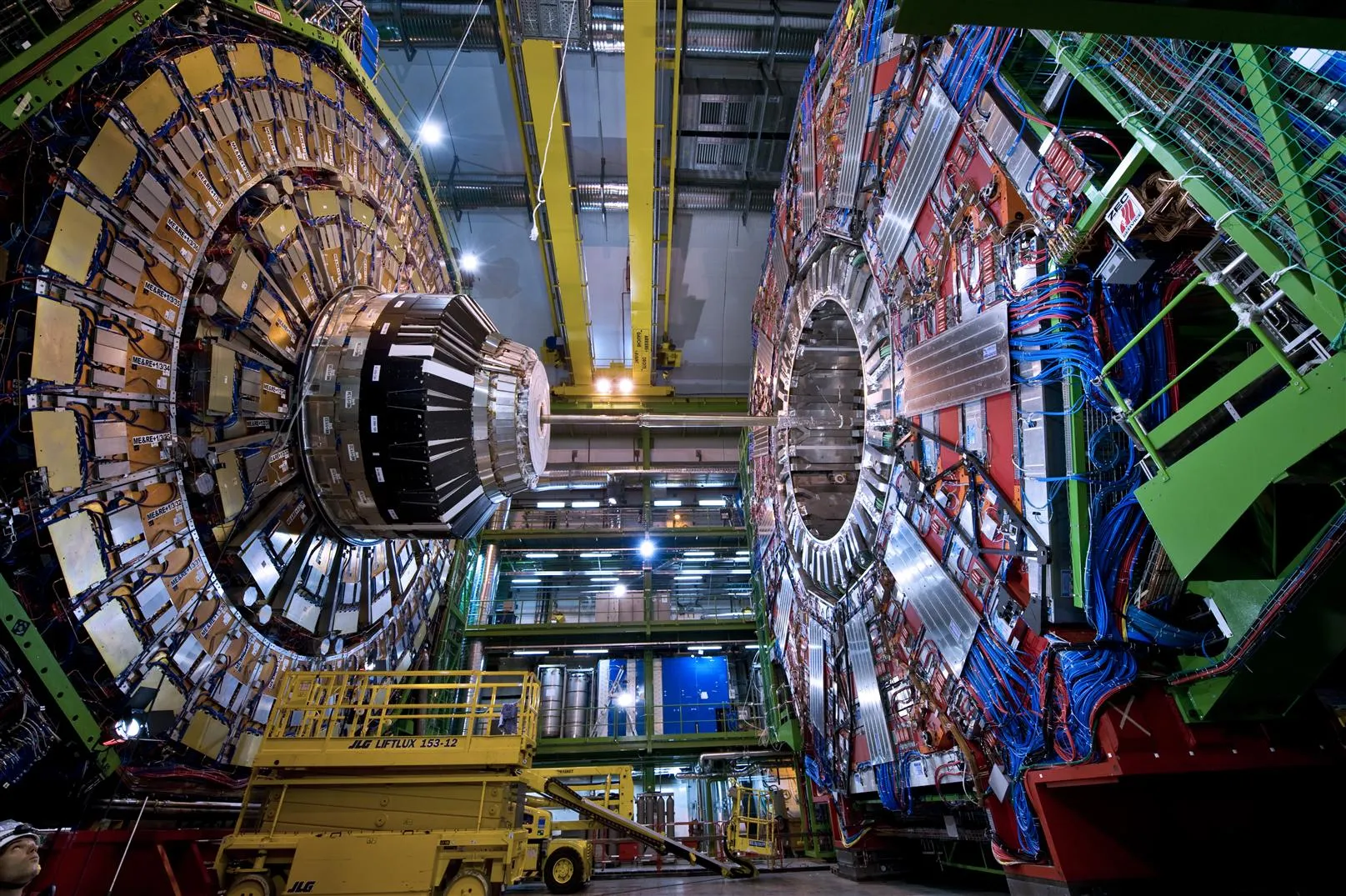
CMS
CMS
-

ATLAS
ATLAS ATLAS is one of the four major experiments at the Large Hadron Collider (LHC) at CERN. It is a general-purpose particle physics experiment run by an international collaboration and, together with CMS, is designed to exploit the full discovery potential and the huge range of physics opportunities that the LHC provides. ATLAS’ scientific exploration